Ruins of Quilmes, the Sacred City of the Calchaquí Valley
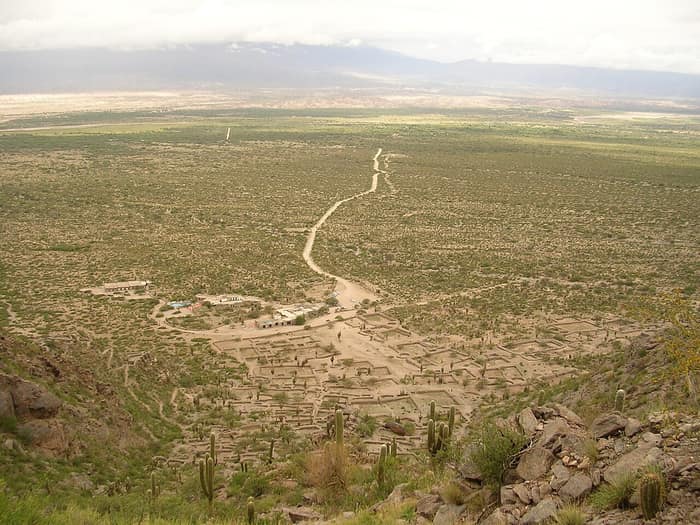
The Ruins of Quilmes are the remains of the largest pre-Columbian settlement in Argentina, in the Calchaquí Valley of Tucumán Province, at the foot of Alto del Rey hill. The Quilme people lived here, and today visitors walk through a partly reconstructed stone city: one of the most fascinating hidden gems of north-west Argentina.
Its people resisted the Spaniards for decades, and in 1667 they were forced to walk more than a thousand kilometres to the River Plate. The Buenos Aires city of Quilmes, named after them, grew from that exile.
The history of the Ruins of Quilmes
The Quilmes lived in the Calchaquí Valley from about the 10th century. They had a very high population density, which allowed them to share out tasks better and make more of the ecosystem; specialists today regard the towns of the valley as the first pre-Hispanic cities of Argentina. Their houses had double stone walls filled with earth and pebbles, and on the hillsides they built cultivation terraces for maize, beans, potatoes, peanuts, squash and chilli peppers, served by a hydraulic system of dams and channels.
The settlement was divided into a residential sector on the alluvial cone and a fortress on the slope of the hill, all surrounded by a wall. The houses were single-room, rectangular buildings linked by patios or streets, while the storehouses were circular. The Quilmes fought bitter conflicts with their Calchaquí neighbours, with whom they finally allied against the Spaniards. First contact with Europeans came in 1562, and several conflicts followed.
In 1667, during the third Calchaquí war, about 400 Spaniards besieged more than 6,000 indigenous people, first cutting off access to their fields and then poisoning their water supply. The Quilmes had bows, arrows, slings and spears; the Spaniards had armour and firearms. After about a month they surrendered, with their cacique Martín Iquín as spokesman. They were forced to walk more than a thousand kilometres to the River Plate; of more than 2,600 survivors who set out, only a little over 400 arrived. The Buenos Aires site is called Quilmes after the mission of Santa María de Quilmes.
The ruins became known in the late 19th century. Samuel Lafone Quevedo found them in 1888 and wrote a series of letters to the newspaper La Nación; Ten Kate visited in 1893, and in 1897 Juan Bautista Ambrosetti made the first detailed study: he drew a map, found a cemetery and linked the Quilmes with the people of Amaicha for the first time. Carlos Bruch followed in 1911, then Schreiter in 1919, who described child burials in funerary urns, and Adán Quiroga in 1929. The site then had no more visitors until 1978.
In 1975 the site was declared a Historic Monument, and in 1978 a restoration project in four stages was approved: clearing the ground, anastylosis of the most significant areas, a site museum and archaeological research. It opened to the public around 1980, although its criteria were later criticised as more tourist-minded than archaeological. In 1992 a ten-year concession was granted, during which a hotel was built. Between 2007 and 2008 the Quilmes Indigenous Community regained control of the place, with a ceremony to the Pachamama on 9 January 2008. Today it is visited with guides and has an interpretation centre.
Curious facts about the Ruins of Quilmes
- It is the largest pre-Columbian settlement in Argentina, and its importance earned it the name Sacred City.
- The first archaeologists who saw it thought they were looking at giant vizcacha burrows; a letter by Lafone Quevedo compared the ruins to a honeycomb.
- The Buenos Aires city of Quilmes, some 35 km south of the capital, takes its name from the Quilmes people exiled from Tucumán.
- The Quilmes farmed on terraces on the hillsides, with dams and channels lined with flat stones.
- In 1919 Schreiter described cemeteries of children buried in funerary urns at the site.
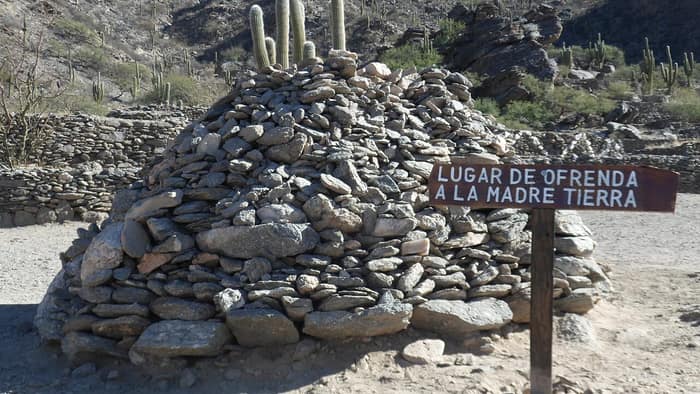
- The site has an apacheta, a pile of stones; one appears in the photos of the place.
Tours near Ruins of Quilmes
Experiences in the area that you can book online with Viator:


Visiting the Ruins of Quilmes
- The archaeological site is open for guided visits; check the current opening days and hours before you go.
- You can arrive by private vehicle or with tour companies.
- There is an interpretation centre about Quilme culture on site.
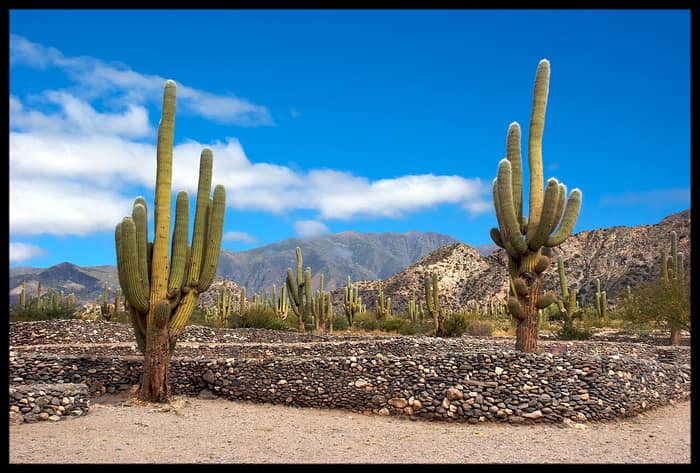
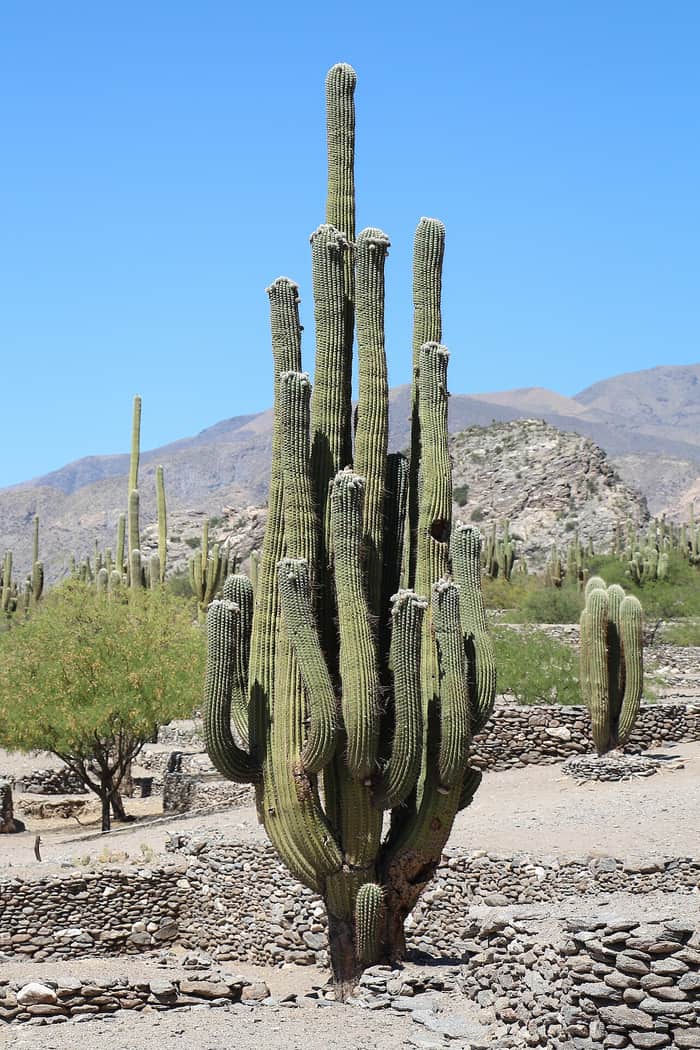
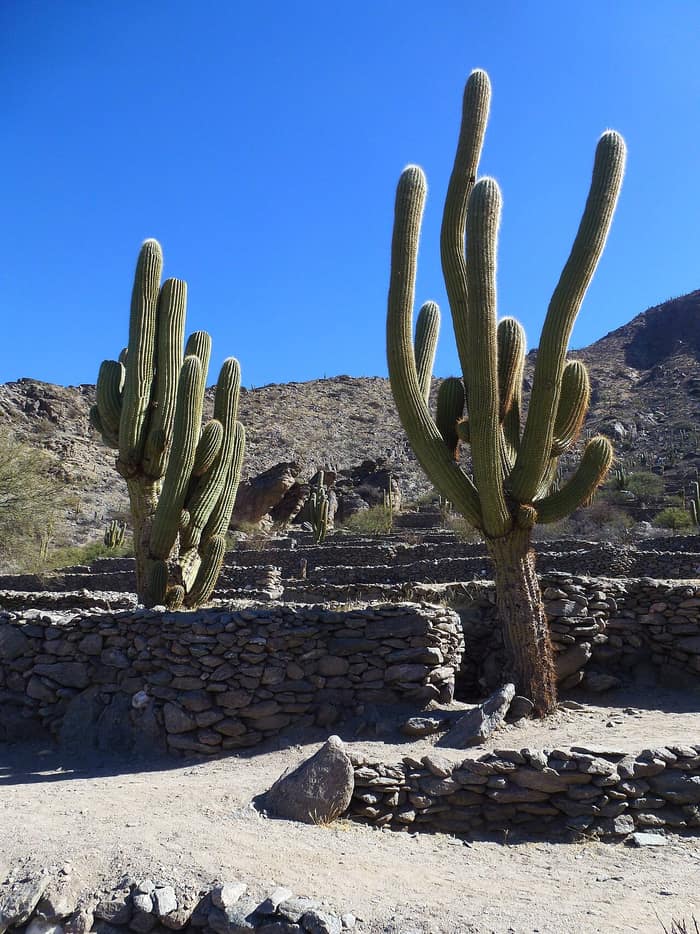
- What you see are foundations and partly reconstructed walls of houses, fortresses and one sector of the citadel; the landscape includes cacti and Alto del Rey hill.
- The site lies in a mountain valley in the north-west, so bring sun protection and water.
Opening hours, access and conditions can change. Check before you go.
Map: where Ruins of Quilmes is
Photos of Ruins of Quilmes
Questions
What are the Ruins of Quilmes?
They are the remains of the largest pre-Columbian city in Argentina, in the Calchaquí Valley of Tucumán Province. The Quilme people lived here, and the site is also known as the Sacred City of Quilmes.
Where are the Ruins of Quilmes?
In the Calchaquí Valley, in the far west of Tucumán Province, at the foot of Alto del Rey hill.
What happened to the Quilmes people?
In 1667 they were defeated by the Spaniards after a siege and forced to walk more than a thousand kilometres to the River Plate, where many died. The name of the Buenos Aires city of Quilmes comes from this.
Who discovered the Ruins of Quilmes?
Samuel Lafone Quevedo found them in 1888, and Juan Bautista Ambrosetti studied them in detail for the first time in 1897.
Can you visit the Ruins of Quilmes?
Yes, on a guided visit, and there is an interpretation centre. Days and hours may change, so check them before you go.
Are the ruins original or reconstructed?
They are partly reconstructed: official restoration began in 1978 and opened around 1980, and its criteria were criticised as more tourist-minded than archaeological.
Also nearby

Our Lady of Rosary Cathedral, Cafayate
Cafayate, Salta · a five-nave cathedral among the vineyards
44 km away

Our Lady of the Incarnation Cathedral, San Miguel de Tucumán
San Miguel de Tucumán · an eclectic cathedral from 1856
92 km away
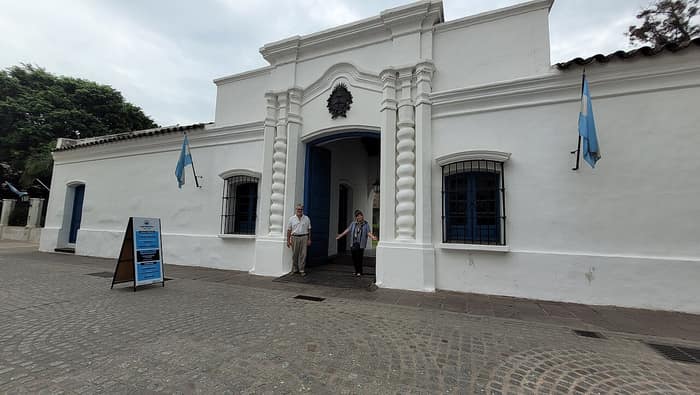
Historical House of Tucumán
San Miguel de Tucumán · the house where independence was declared
92 km away
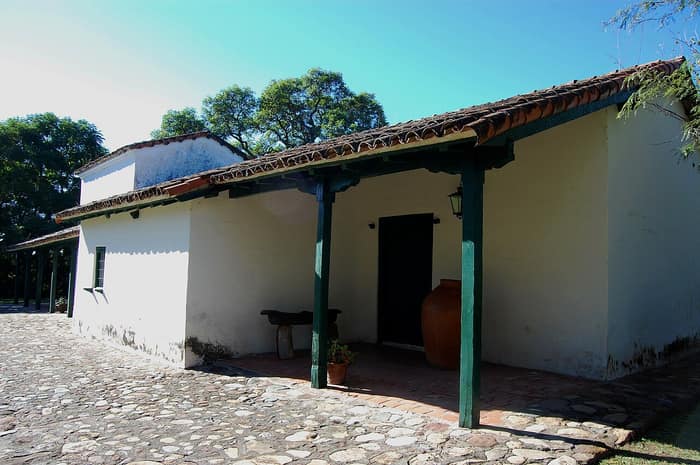
Yatasto Relay
Near Metán, Salta · a colonial post stop of the Independence war
146 km away