
America Cultural Center, the eclectic jewel of Salta
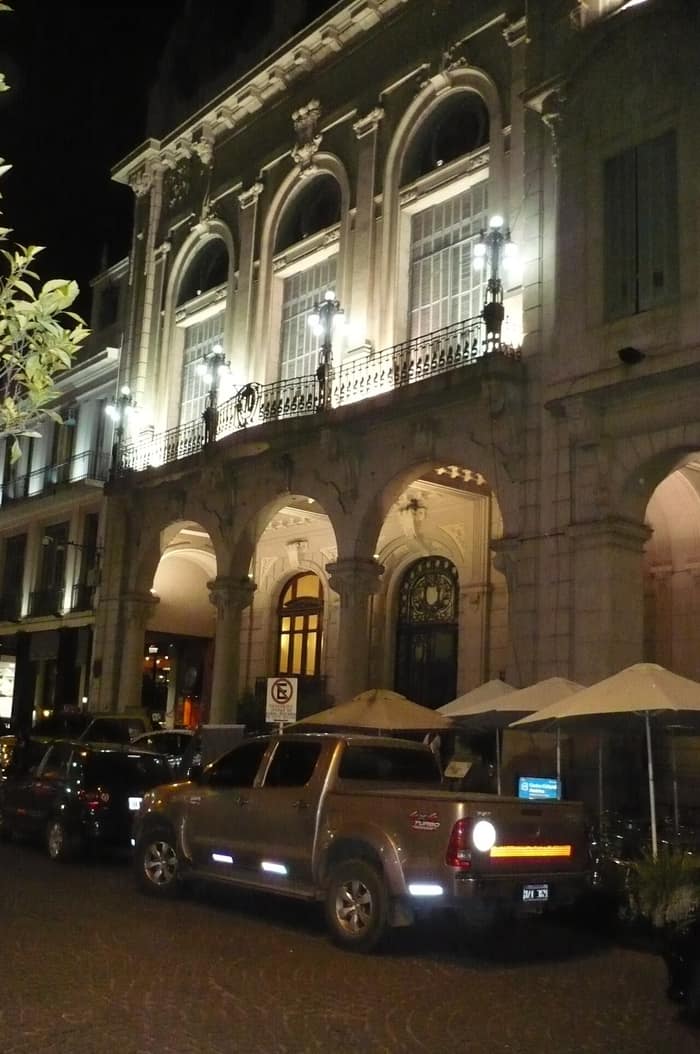
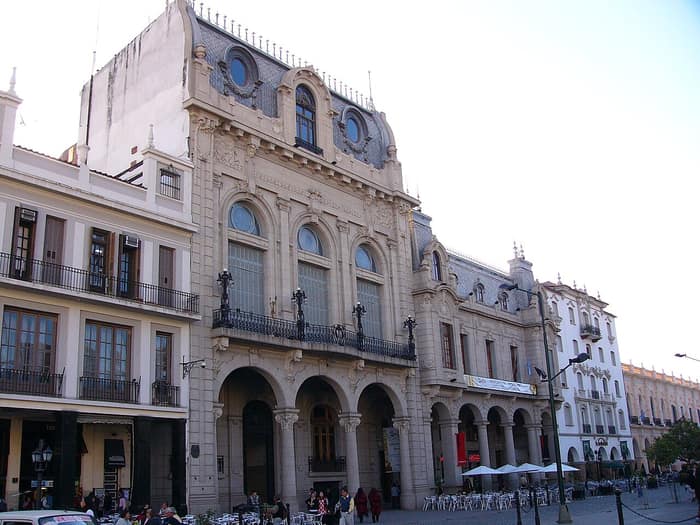
The America Cultural Center (Centro Cultural América) is a 1913 building in the city of Salta, part of the Monumental Complex of Plaza 9 de Julio. Raised as the home of a social club, it later served as Government House and is now a cultural venue: an interesting stop if you are looking for things to see in Salta beyond the obvious.
It was Salta's most aristocratic club, then the seat of the provincial government for almost four decades, and today it is a cultural centre. Its stained glass came from Milan and its plasterwork was modelled with chaguar fibres.
The history of the America Cultural Center
The building began as the project of an association: the Club 20 de Febrero, a traditional and aristocratic social institution of Salta whose first premises had opened in 1858. Half a century later its members decided to build a home of their own. In 1908 the club bought from the Bishopric a plot that had belonged to the old church of the Society of Jesus, next to today's main square.
The design dates from 1910 and was drawn up by Arturo Prins, an engineer and architect. The works were carried out by the engineers and architects Correa and Cornejo, and the building opened in 1913. It is regarded as an example of eclectic architecture in Salta, with a marked French academic style. Access was then restricted to the members who had contributed to finance the construction.
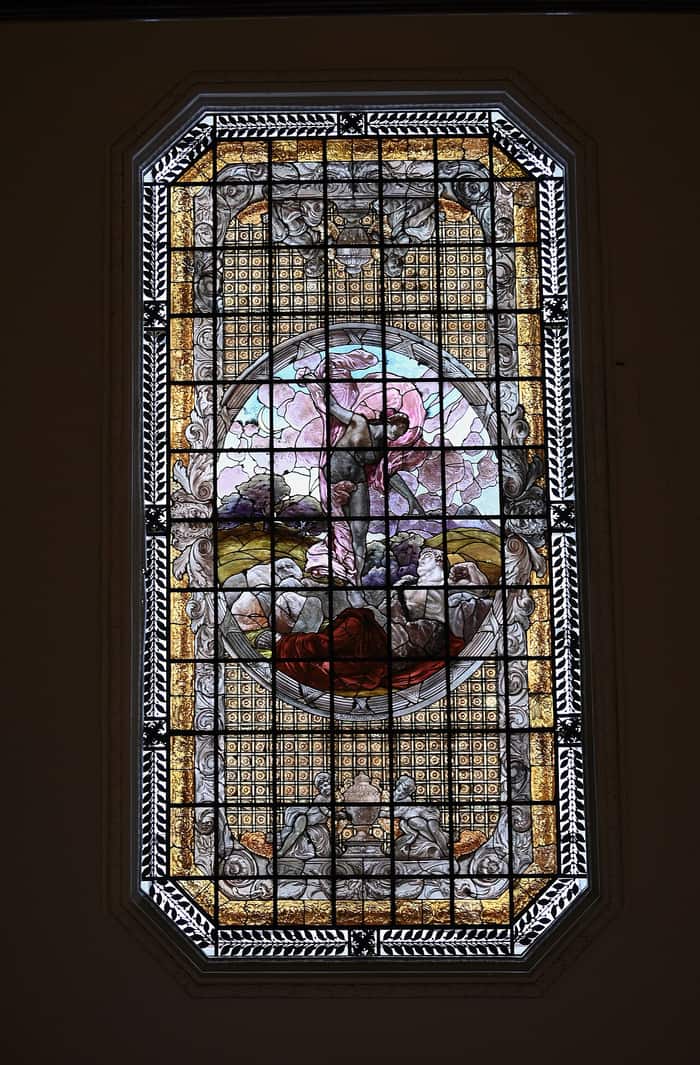
The interior was very modern for its day. Staircases wind around the void of the great hall, and columns and profiles of iron and bronze were used; the hidden iron framework was imported from England. The floors are Venetian mosaic and Slovenian oak parquet, the stained-glass windows on the walls were brought from Milan, the columns stand on Botticino marble plinths, and the cornices, mouldings and plaster sconces were modelled with a plant fibre from the region, chaguar. The basement held fencing rooms, changing rooms, a confectioner's and a hairdresser's; the ground floor had a hall, a bar, a library, a billiard room and a lounge, and the first floor a ballroom, meeting rooms and offices.
In 1950, through an expropriation by the national government of Juan Domingo Perón, the building became the provincial Government House. To house numerous offices and a large staff it underwent major changes: partitions and panels went up, mezzanines were created and the original joinery was replaced. It remained the seat of the governorship until 1987.
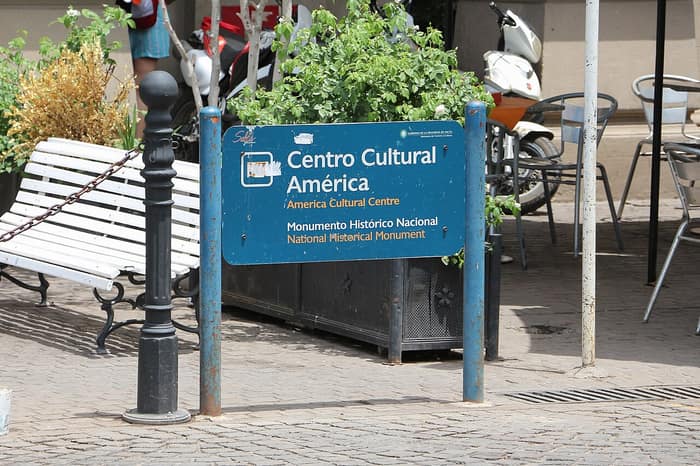
That year the government moved out, and the building at Mitre 23 was set aside for cultural and ceremonial events under the name America Cultural Center. A restoration began, led by the provincial architectural heritage department and financed by the community and the provincial government, which removed screens, partitions and mezzanines and recovered the stained glass, floors, joinery and ornament. Between 1987 and 1990 the four main rooms on the first floor were named after notable people from Salta: Lola Mora, Manuel J. Castilla, Juana Manuela Gorriti and Arturo Wayar Tedín. On 3 February 1994 the building was declared a National Historic Monument by decree 149.
Curious facts about the America Cultural Center
- The ceilings, cornices and plaster sconces were made with a local plant fibre, chaguar.
- The stained-glass windows on the walls were imported from Milan, and the floors combine Venetian mosaic with Slovenian oak parquet.
- Its hidden iron framework came from England, which was very much ahead of its time in Salta.
- The basement once had fencing rooms, changing rooms, a confectioner's and a hairdresser's, when the building was a social club.
- The four main rooms on the first floor are named after Lola Mora, Manuel J. Castilla, Juana Manuela Gorriti and Arturo Wayar Tedín.
- It stands on land that had belonged to the old church of the Society of Jesus.
Tours near America Cultural Center
Experiences in the area that you can book online with Viator:


Visiting the America Cultural Center
- The building is part of the Monumental Complex of Plaza 9 de Julio, so it combines easily with other historic buildings in the centre of Salta, such as the cathedral.
- Today it works as a cultural and convention centre with cultural and ceremonial events; check the current opening hours and programme before you go.
- Inside, the highlights are the stained glass, the Venetian mosaic and parquet floors, the columns and the great hall with its staircases.
- The rooms on the first floor are named after four figures from Salta in sculpture, poetry, the novel and theatre.
Opening hours, access and conditions can change. Check before you go.
Map: where America Cultural Center is
Photos of America Cultural Center
Questions
What is the America Cultural Center in Salta?
It is a building from 1913 built for the Club 20 de Febrero, later the provincial Government House and, since 1987, a cultural centre. It was declared a National Historic Monument in 1994.
Where is the America Cultural Center?
At Calle Mitre 23, on the corner of Caseros, in the centre of Salta, within the Monumental Complex of Plaza 9 de Julio.
Who designed the America Cultural Center?
The design, from 1910, is by the engineer and architect Arturo Prins; the works were carried out by the engineers Correa and Cornejo.
What style is the building?
It is an example of eclecticism in Salta, with a marked French academic style.
Was it ever the Government House of Salta?
Yes. From 1950, after an expropriation, it served as the provincial Government House until 1987.
What can you see inside?
Stained glass imported from Milan, Venetian mosaic floors and Slovenian oak parquet, iron and bronze columns, and rooms named after figures from Salta such as Lola Mora and Juana Manuela Gorriti.
Also nearby

Salta Cathedral
Salta · the shrine where the hero Güemes rests
150 m away

Tastil
Salta · the largest pre-Columbian city in present-day Argentina
67 km away

Jujuy Cathedral
San Salvador de Jujuy · colonial church with an Indigenous-carved pulpit
68 km away
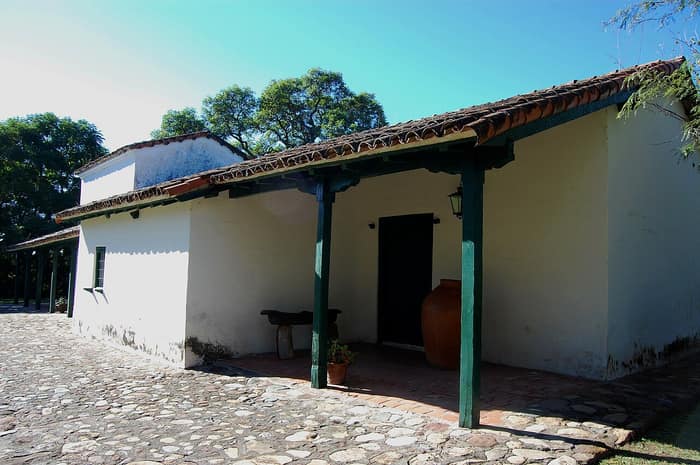
Yatasto Relay
Near Metán, Salta · a colonial post stop of the Independence war
100 km away